

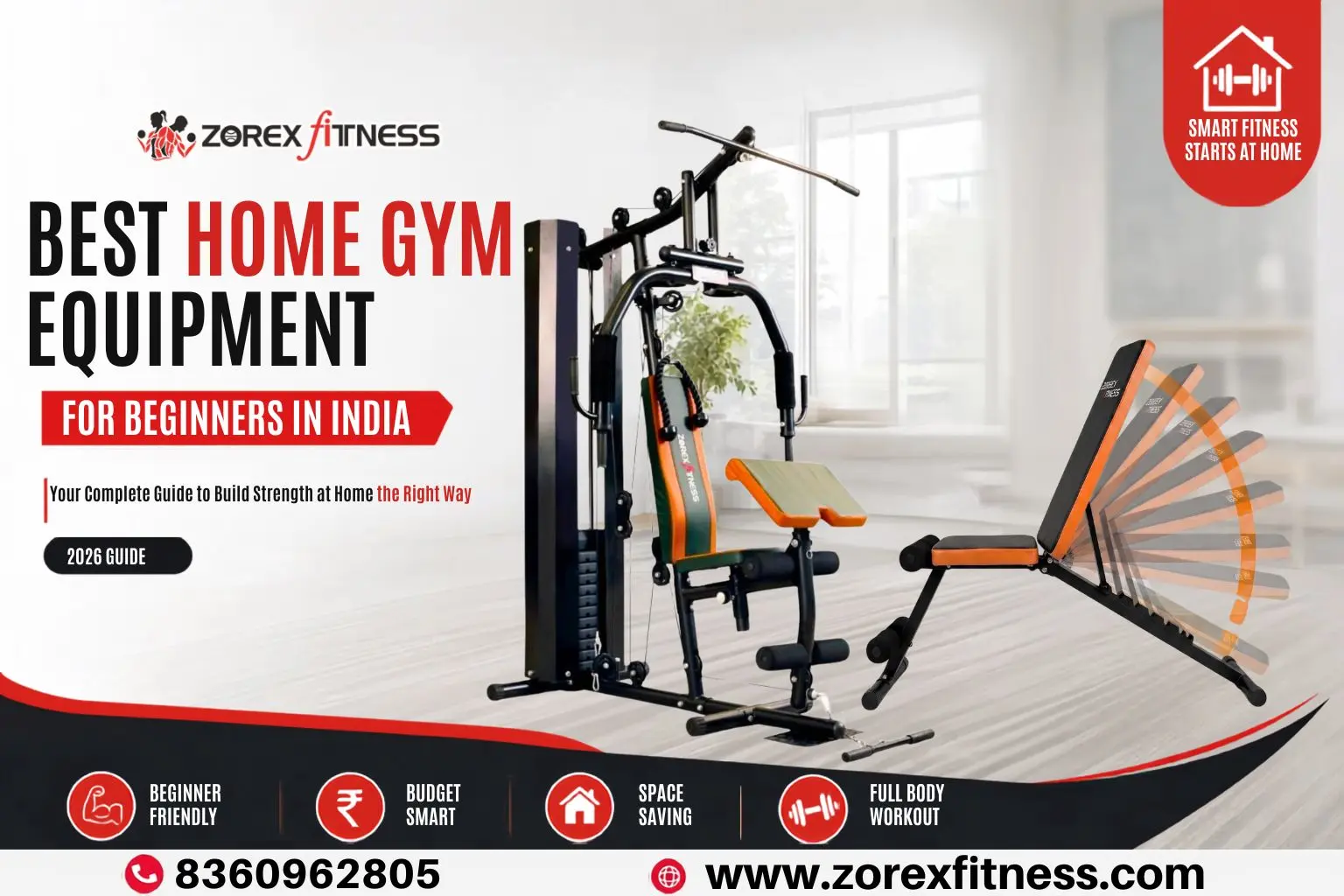
Walking into a gym equipment showroom for the first time can be overwhelming. You’ll see multi-gym machines, adjustable benches, twisters, air bikes, power racks, and plenty of other equipment. Most salespeople will make it seem like you need everything right away – but you really don’t.
If you’re just starting your home fitness journey, the goal isn’t to fill your room with equipment. It’s to invest in two or three essentials that let you train your entire body, then upgrade gradually as your strength and workout routine improve.
This guide breaks everything down in two simple ways – by budget and by equipment type – so you can build a home gym that suits your needs, not someone else’s sales target.
1. Adjustable Dumbbells – The One Piece You Shouldn’t Skip
If you’re buying just one piece of equipment, make it adjustable dumbbells.
They allow you to train your chest, shoulders, back, arms, and legs using a single pair. Since you can increase the weight over time, they grow with your fitness level instead of becoming too light after a few weeks.
They’re also one of the most space-saving strength training tools available. One adjustable pair can replace five or six pairs of fixed dumbbells, making them ideal for home workouts.
2. Adjustable Bench – Unlock More Exercises
Training only on the floor limits the number of exercises you can perform. An adjustable bench instantly expands your workout options by allowing incline presses, decline sit-ups, shoulder exercises, single-arm rows, and many other movements that help build a balanced physique.
Choose a foldable, multi-position bench so it doesn’t take up permanent space in your home.
The ZF-203 Foldable Adjustable Bench from Zorex Fitness is designed exactly for this purpose. It offers four workout positions in one frame and folds flat after your workout, making it a practical choice for apartments and smaller rooms.
3. Resistance Bands and a Yoga Mat
These are among the most affordable pieces of home gym equipment, yet they’re used in almost every workout.
Resistance bands are excellent for warming up, improving shoulder mobility, assisting pull-ups, and adding variety to strength exercises. A yoga mat provides comfort during stretching, floor workouts, and core exercises while protecting your joints.
Both are inexpensive and offer great value for beginners.
4. Twister Disc or Skipping Rope – Simple Cardio That Works
A twister disc is compact, affordable, and surprisingly effective for improving core strength, balance, and hip mobility.
A skipping rope is another excellent beginner-friendly option. It delivers an effective cardio workout while requiring very little space.
Either of these is a smarter first purchase than investing in a large cardio machine.
5. Multi-Gym Station – Upgrade When You’re Ready
A multi-gym isn’t something most beginners need on day one.
It’s usually a worthwhile upgrade after about four to six months, once bodyweight exercises and dumbbell workouts no longer provide enough challenge.
A good multi-gym introduces cable-based resistance, allowing you to train muscles through angles that dumbbells can’t easily achieve. It also combines multiple workout stations into one machine, giving you access to 10 to 15 different exercises.
When buying one, focus on build quality, frame strength, weight-stack capacity, and the number of workout stations instead of simply choosing the lowest price.
6. Squat Stand – Buy It When You Start Barbell Training
There’s no need to purchase a squat stand at the beginning.
It becomes useful only when your training includes barbell squats, overhead presses, bench presses, or rack pulls. Before that point, it simply occupies valuable space without adding much benefit.
7. Cardio Equipment – One Machine Is Enough
You don’t need a treadmill, exercise bike, and rowing machine all at once. Start with just one.
An air bike is one of the best beginner choices because it’s easy on the knees, trains both the upper and lower body, and takes up less space than a treadmill.
If you’re not ready to invest in cardio equipment yet, bodyweight circuits and a skipping rope can provide excellent conditioning at almost no cost.
A Simple Buying Plan for Beginners
If you’re planning to build your home gym gradually, this order gives you the most value at every stage.
Month 1
- Adjustable dumbbells
- Resistance bands
- Yoga mat
Month 2
- Adjustable bench
- Twister disc
Month 3-4
- Air bike or continue with a skipping rope routine
Month 5+
- Multi-gym station when you need cable resistance
Later
- Squat stand after barbell training becomes part of your routine
Common Beginner Mistakes to Avoid
One of the biggest mistakes beginners make is buying a multi-gym before building a consistent workout habit. Many expensive machines end up collecting dust within a few months.
Another common mistake is choosing cheaper equipment with poor frame quality or low weight capacity. While it may save money initially, it often leads to wobbling, excessive noise, and quicker wear over time.
Skipping an adjustable bench is another mistake. Training only on the floor quietly limits a large portion of a well-balanced beginner workout program.
Frequently Asked Questions
What is the best home gym equipment for a complete beginner?
Adjustable dumbbells, resistance bands, and a yoga mat are the best starting combination. They’re affordable, require very little space, and allow you to train every major muscle group before investing in larger equipment.
Is a multi-gym worth it for beginners?
Not right away. A multi-gym becomes valuable once bodyweight exercises and dumbbell workouts stop feeling challenging, usually after a few months of consistent training. Buying one too early is one of the most common unnecessary expenses.
How much space do I need for a home gym?
A basic setup with adjustable dumbbells and a bench can comfortably fit in a space as small as 6 x 6 feet. Multi-gym stations and squat stands generally require around 8 x 8 feet or more, depending on the model.
Final Word
Building a beginner home gym doesn’t mean buying every machine available. Start with adjustable dumbbells, a bench, and a few basic accessories, then expand your setup as your training progresses.
The best home gym isn’t the one with the most equipment – it’s the one you actually use consistently.